TABLE-BASED
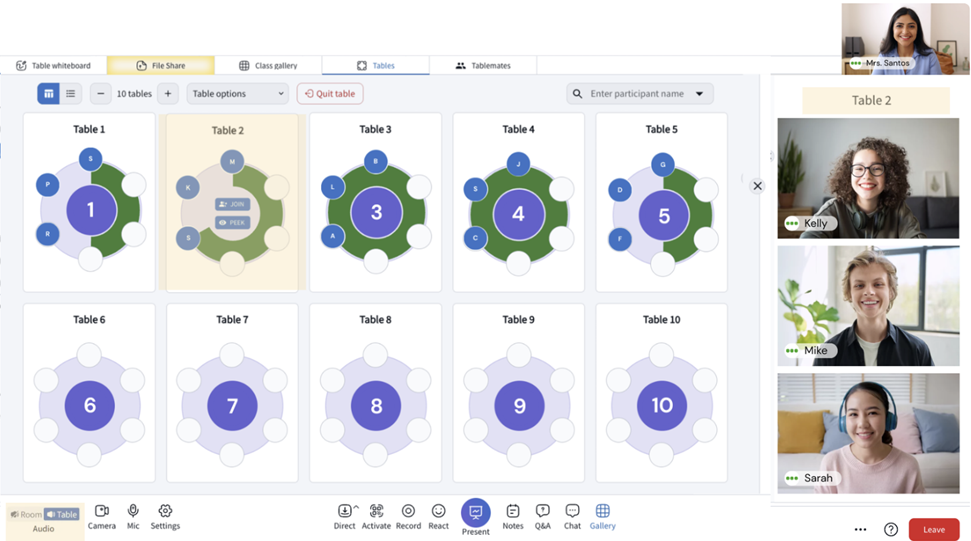
Engageli's classroom tables makes collaboration a natural part of every class by enabling peer learning, meaningful discussions, and teamwork throughout the learning experience. Instructors gain real-time insight into every group’s progress, delivering the engagement and accountability of an in-person classroom at any scale.
.png?width=625&height=352&name=Light%20Mode%20UI%20-%20Large%20Size%20(7).png)
.png?width=625&height=352&name=Light%20Mode%20UI%20-%20Large%20Size%20(6).png)
Unlike traditional breakout rooms that dissolve when a session ends, Engageli's persistent tables keep learners connected with the same peers across every class. This enables continuous collaboration without the orchestration of traditional breakout rooms. Saved seating allows groups to maintain continuity from one class to the next, fostering stronger relationships and a sense of community that grows over time.
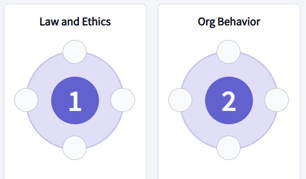
Renaming tables helps identify group purpose. Changing number of seats per table aligns the group size with the learning activity, making collaboration more effective.
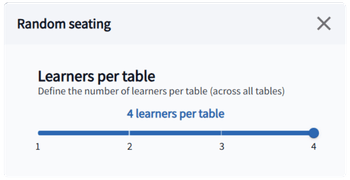
Mix learners across tables to spark new conversations and broader collaboration. Every group activity becomes an opportunity for deeper perspectives.
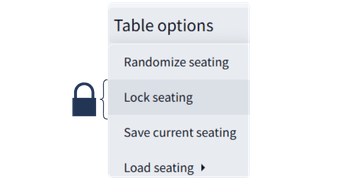
Locking the seating arrangement ensures intentional collaboration during structured learning activities. Group work is kept focused and there are less distractions in the classroom.
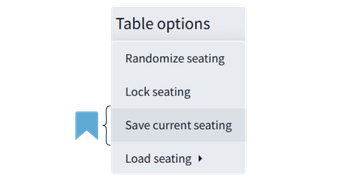
When seating arrangements are saved, learners can return to the same groups, allowing trust, communication, and teamwork to develop over multiple sessions.
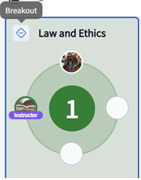
Create quiet tables for focused thinking and reflection. This allows teachers to support neurodiverse learning styles and reduce classroom noise fatigue.
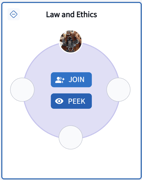
Listen in on table conversations without interrupting the flow of learning by peeking in tables. Join table discussions to answer questions and clarify concepts.
TOOL CONSOLIDATION
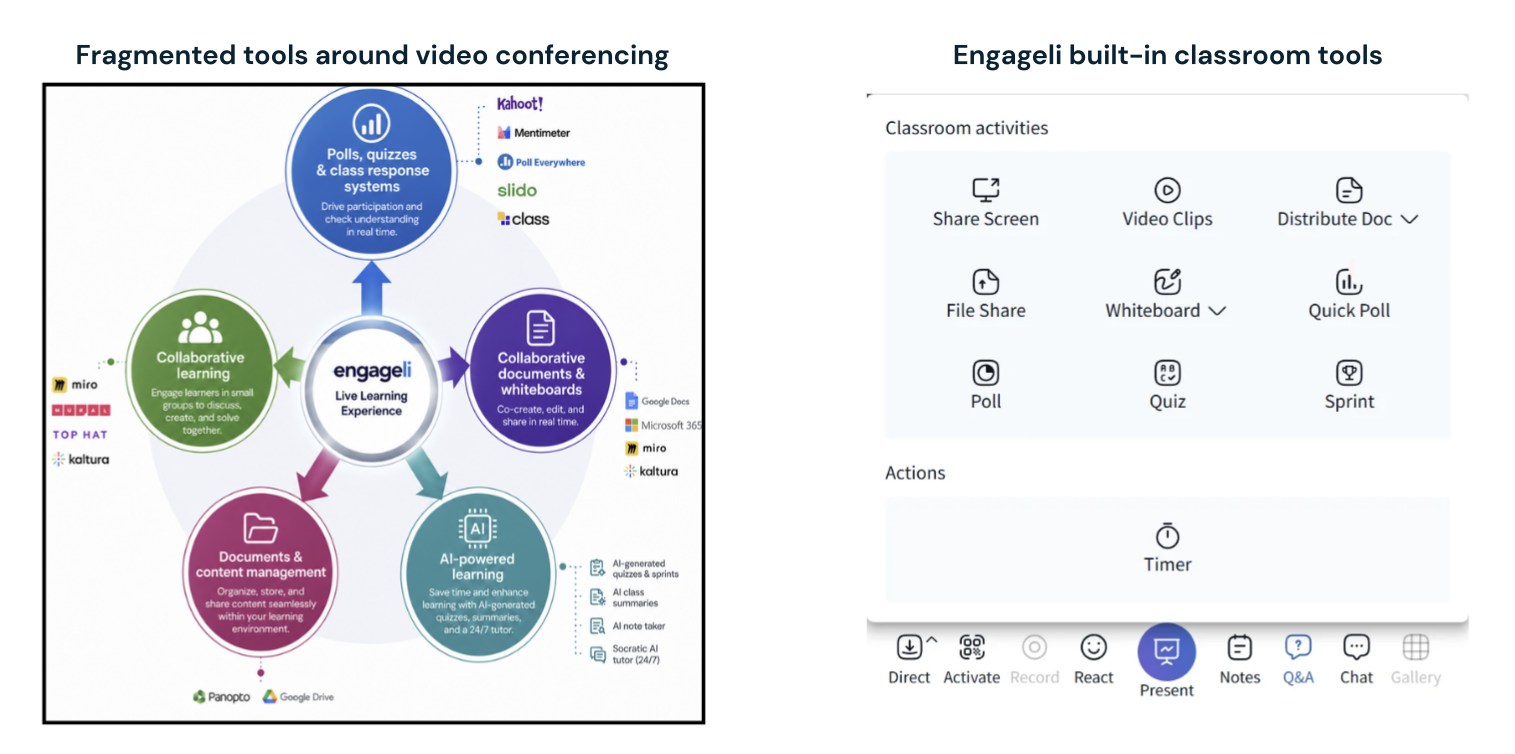
Many virtual learning environments rely on a patchwork of tools: one for video, another for whiteboarding, a separate polling app, a discussion platform, and an overarching LMS to tie everything together. Every transition between tools interrupts the learning flow, increases complexity, and fragments valuable engagement data.
Engageli virtual classroom consolidates the fragmented tools. Live instruction, persistent learning tables, table whiteboards, table documents, and engagement analytics all work together seamlessly. Because every interaction happens within the classroom, learner participation, collaboration, and progress are captured in a unified record, giving instructors a unified view of engagement while creating a more connected learning experience for every learner.
Small-group collaboration at tables enables students to explain concepts, share perspectives, and solve problems together, reinforcing understanding while building communication and collaboration skills.
Instructors introduce concepts and guide students through practice activities at their tables, providing feedback and coaching as they walk the classroom and visit tables. This delivery strategy reinforces learning through exploration and practice.
Learners sit at tables in pairs, reflect individually, discuss ideas with their tablemates, and then share insights with the larger class. This delivery strategy enforces critical thinking and moves learners from individual reflection to collaborative discussion.
Learners participate in scenario-based exercises at their tables such as case studies, negotiations, or professional role-play. This strategy strengthens applied skills and experiential learning and allows practice of real-world scenarios in a safe environment.
Real-time learning support occurs since instructors can quickly identify disengaged learners through engagement indicators and talk to them at a breakout table to provide in-the-moment coaching.
Breakout tables create a cone of silence that offers quiet spaces within the virtual classroom. This environment allows learners to focus and receive individualized support from staff without interruption from the broader classroom conversation.
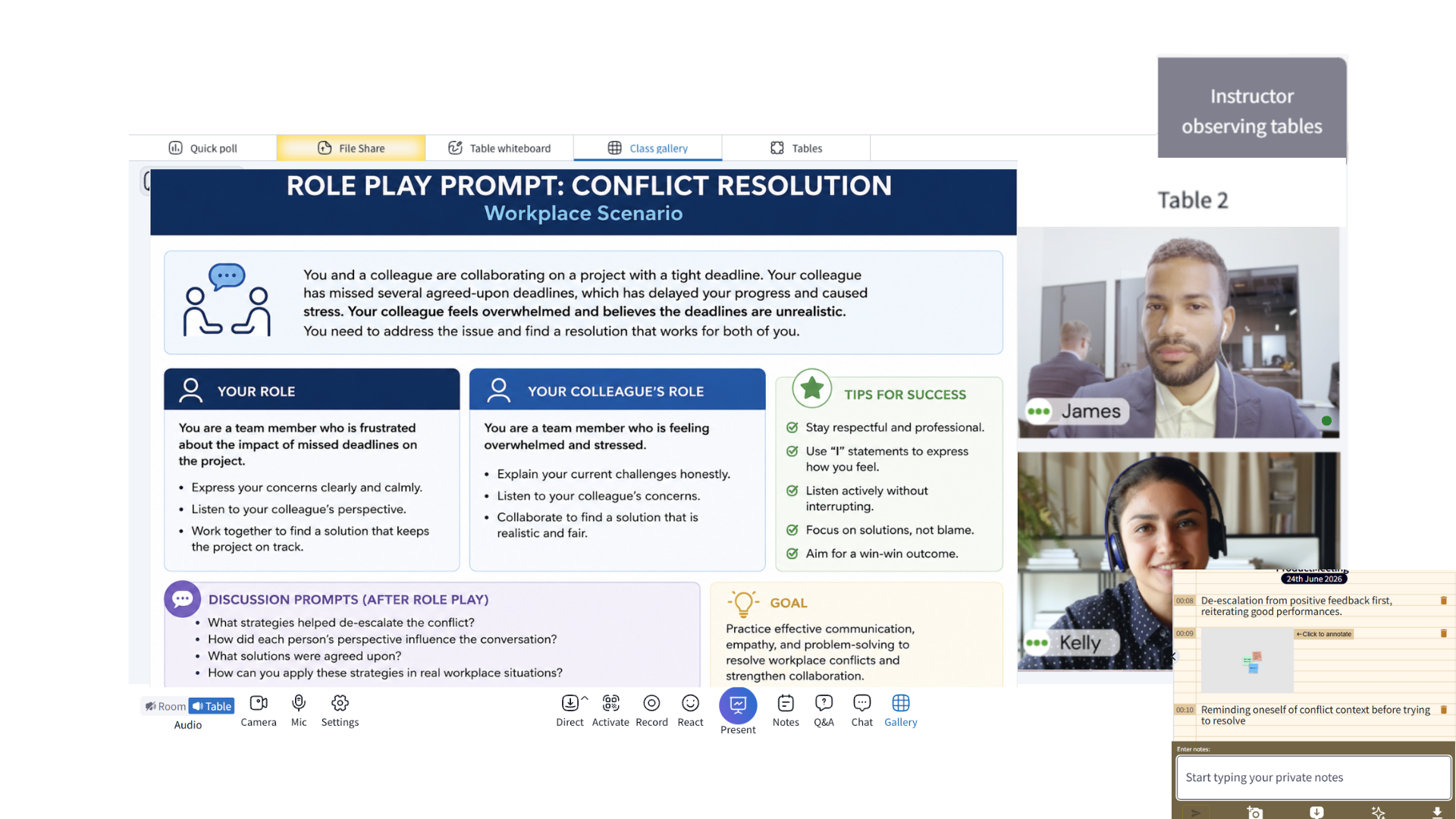
Learners should be nudged to turn cameras on and self select roles from the shared prompt. Encourage learners to use the Notes feature to record personal strengths, observations, and areas for improvement during the role-play.
At the conclusion of each round, learners should exchange constructive feedback and reflect on their performance at their table. Sitting in small groups to openly share what went well and what didn't is a powerful way to build trust and a positive team culture.
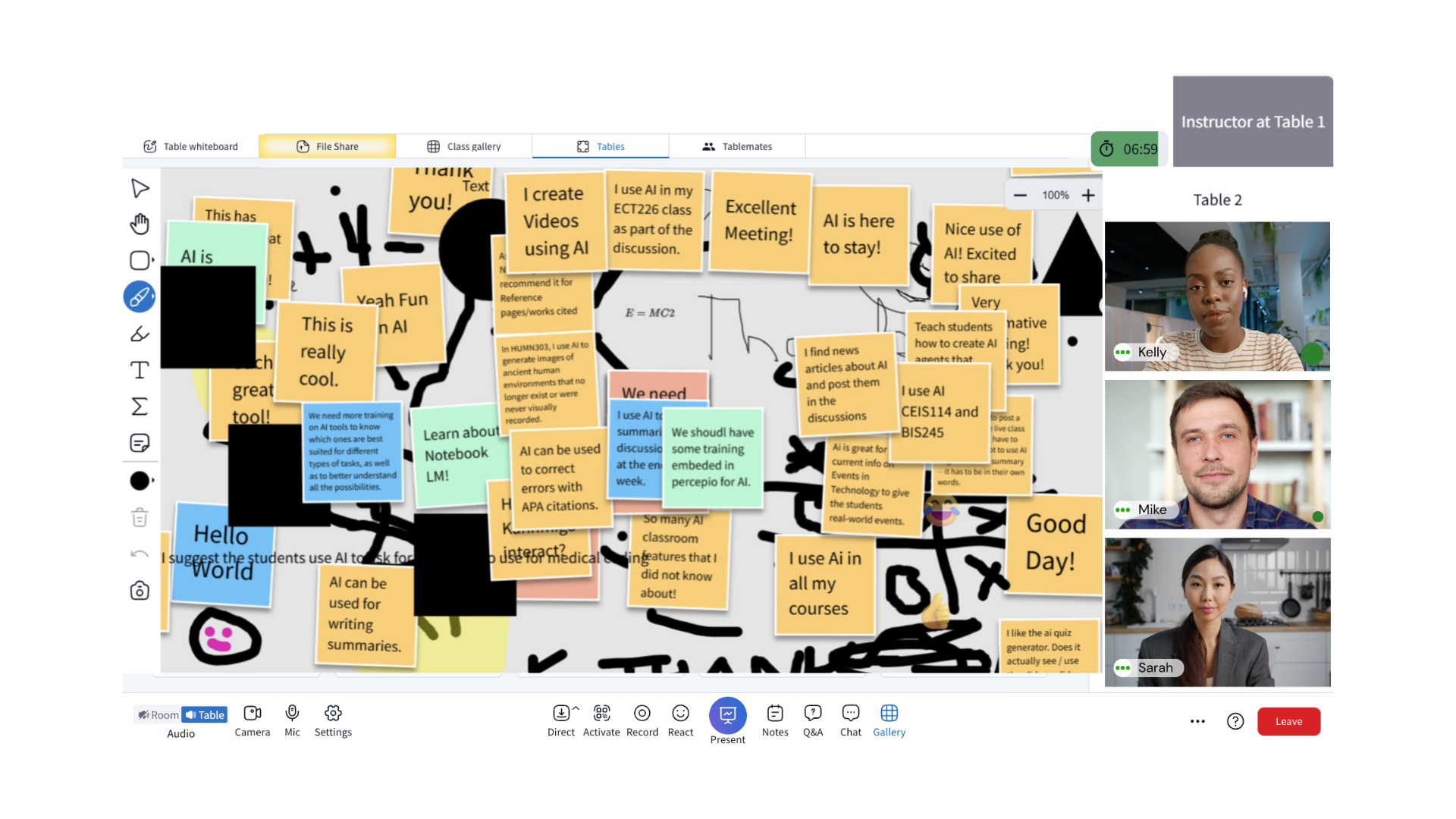
Explain the peer-to-peer activity and share key concepts, resources, and a problem statement for the entire class.
Use table randomization or manually assign learners to tables of 3–4 learners. Move the room to table audio and start a timer to pace the activity.
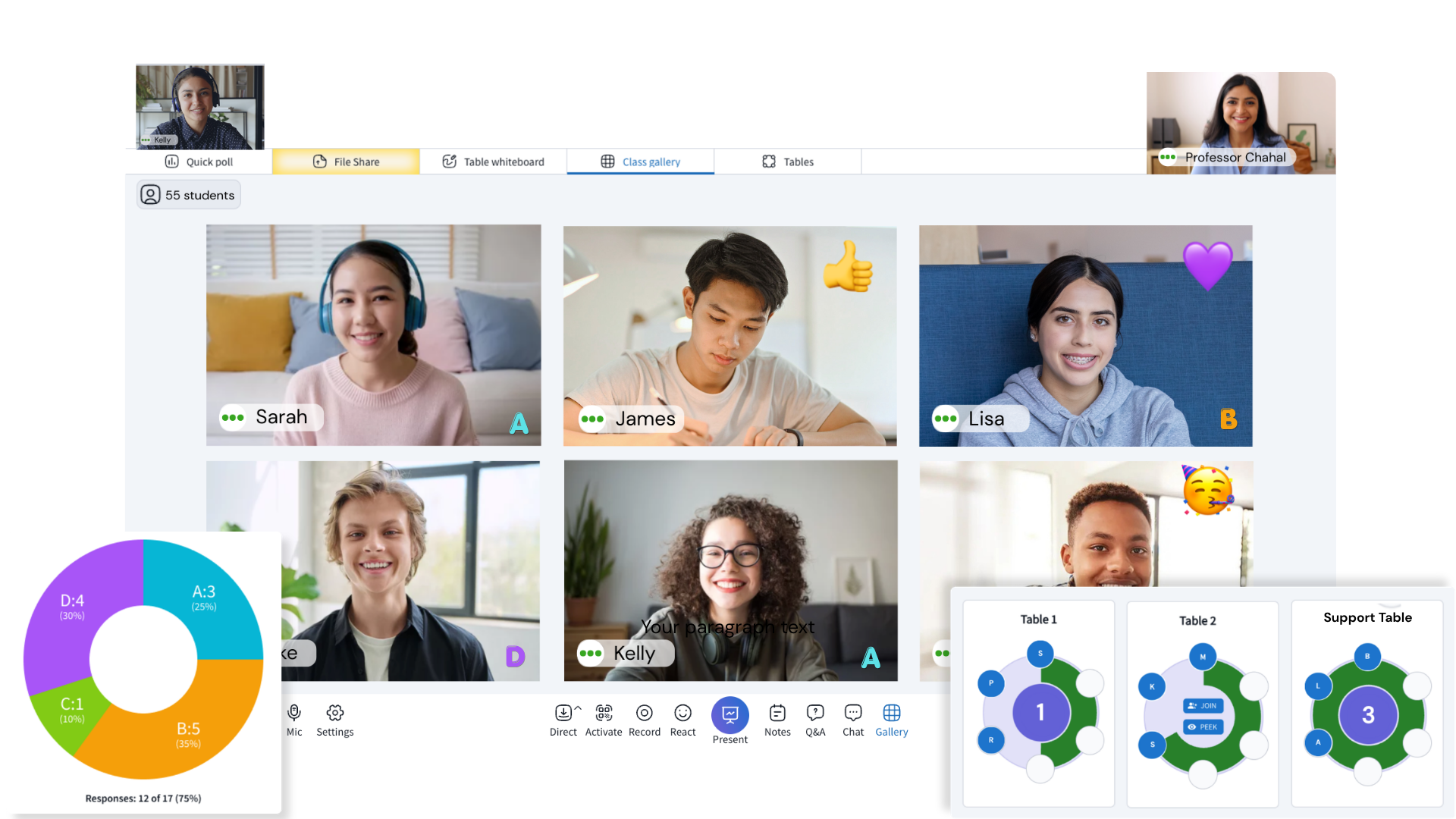
Ask learners to then apply the concept at the table. Learners receive immediate and private support from the instructor to address misconceptions before they compound. Instructors can proactively re-engage learners rather than waiting for poor assessment results to reveal gaps.